About Me
I am a passionate chemist specializing in the development of advanced materials, including nanomaterials, polymers, and polymer nanocomposites. My work is driven by a commitment to bridging the gap between academia and industry through innovative research that addresses real-world challenges. As an independent researcher, I have successfully led numerous projects, advancing applications in electrochemistry, optoelectronics, catalysis, adsorption, and EMI shielding. My approach combines cutting-edge scientific inquiry, meticulous material characterization, and process optimization to deliver sustainable, high-performance solutions.
In addition to my research, I serve as a lecturer at a public sector university, where I mentor and inspire the next generation of scientists. By guiding students in both the laboratory and the classroom, I foster an environment that encourages creative thinking, rigorous experimentation, and a deep understanding of materials chemistry. This dual role allows me to integrate my research expertise with hands-on education, creating a dynamic synergy that enhances both my teaching and my scientific pursuits.
My ultimate goal is to contribute to the development of transformative materials that tackle global challenges while empowering future scientists to push the boundaries of innovation in materials chemistry. Through collaboration, mentorship, and a relentless pursuit of excellence, I strive to make a lasting impact in both the scientific community and the world at large.
Education
- M.S. in Chemistry, Pakistan Institute of Engineering and Applied Sciences (Jan 2019 - Nov 2020)
- B.S. in Chemistry, Bahauddin Zakariya University, Pakistan (Oct 2014 - Jun 2018)
Research Highlights
I believe in the philosophy of converting ideas into reality, and in pursuit of this, I have published five research articles in reputed Q1 journals. Below are the key highlights of these published articles.
Conductive Nanocomposites
I. Clay Polyaniline Nanocomposites for Optoelectronics Applications
One-dimensional polyaniline (PANI) nanostructures were synthesized in situ in the presence of two-dimensional (2D) Montmorillonite (MMT) clay nanosheets. Strong interactions between the polymer and MMT platelets in the nanocomposites were confirmed through spectroscopic studies. X-ray diffraction and scanning electron microscopic studies revealed the clay’s profound effect on the polymer’s crystallinity and morphology. The clay nanosheets induced higher crystallinity and well-defined nanorod morphology in the polymer structure. Consequently, the nanocomposite showed an electrical conductivity of 8.72 S/cm, closer to that of the pristine polymer (8.97 S/cm), despite the presence of highly insulting clay material. Surprisingly, a notable decrease in the optical bandgap of the polymer from 3.73 to 2.88 eV of the nanocomposite was also observed. This novel integration of a narrow band gap and high conductivity in PANI/MMT nanocomposites can expand their utility for visible light interactions in areas encompassing photocatalysis, photovoltaics, electro/photochromism, and related technologies. Link 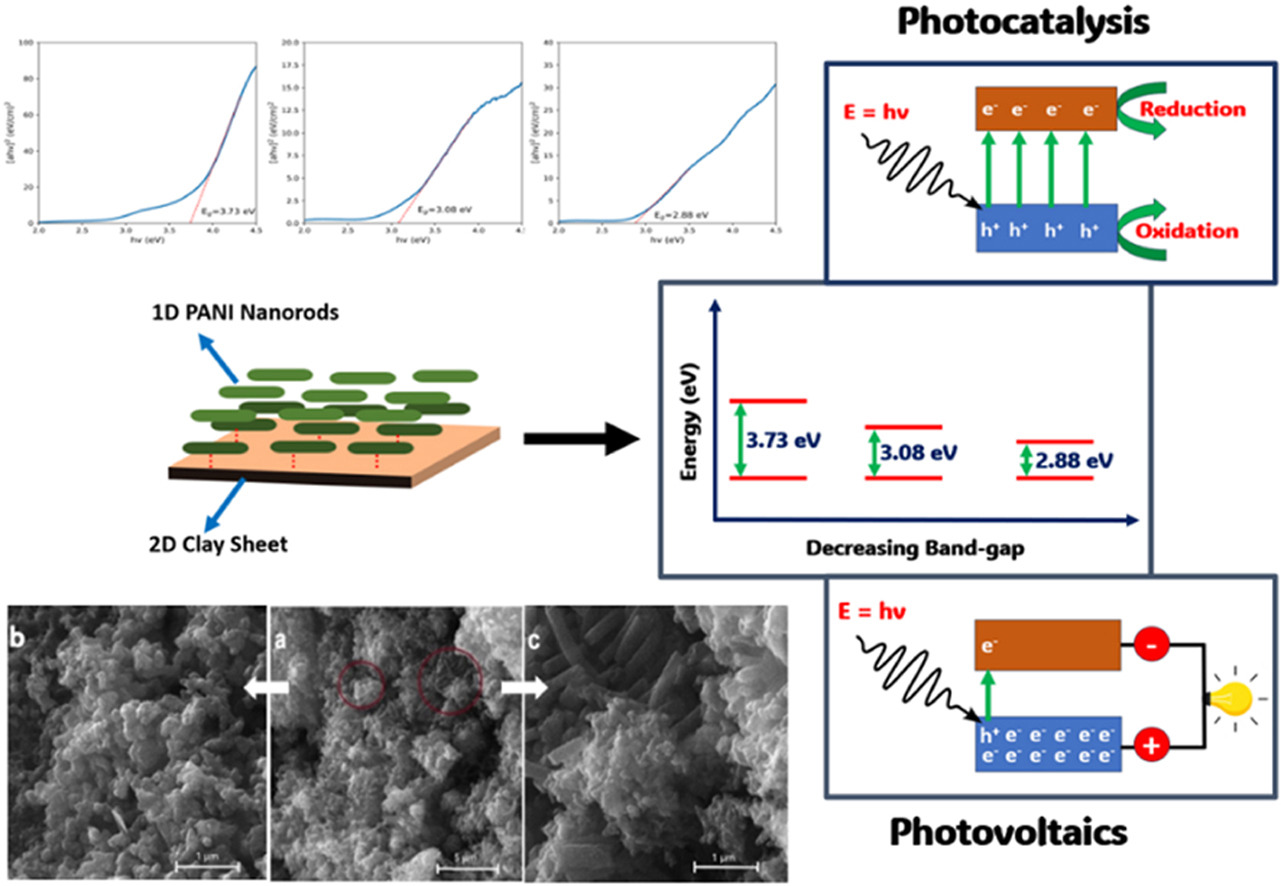
II. Silver Nanoplates Polyimide Nanocomposites
Two-dimensional (2D) silver nanoplates are chemically synthesized in the presence of guar gum – a naturally occurring biopolymer. The polymer directs anisotropic growth of silver nuclei into high aspect ratio nanoplates spanning 4500 ± 500 nm lateral length with thickness as small as 40 ± 10 nm. After a thorough investigation of the reaction parameters (temperature, precursor to reductant ratio, and polymer quantity) on the morphology of the product, a scalable synthetic protocol to achieve good yields (95%–98%) of highly pure (~100%) 2D silver nanoplates (AgNPls) in a facile, inexpensive, room temperature, aqueous phase chemical reaction of only about 5 min is devised. The optimized AgNPls induce appreciable conductivity of 5.5 ± 0.38 S/cm in polyimide at only 12 wt% loading. Consequently, the resulting polymer nanocomposite (containing 12 wt% AgNPls), at only 130 ± 15 μm thickness and 0.45 g/cm3 density, effectively blocks electromagnetic radiation in X-band with a total shield effectiveness of about 10 dB resulting in substantially high specific shielding effectiveness and absolute shielding effectiveness of 22.48 and 1729.23 dB cm3 g−1, respectively. Additionally, the nanocomposites remain thermally stable up to 500°C in oxidative environment and possess an appreciably high storage modulus of 3.113 GPa at 50°C. These low-density conductive polyimide films, therefore, present great prospects in shielding against electromagnetic interference under extreme conditions. Link 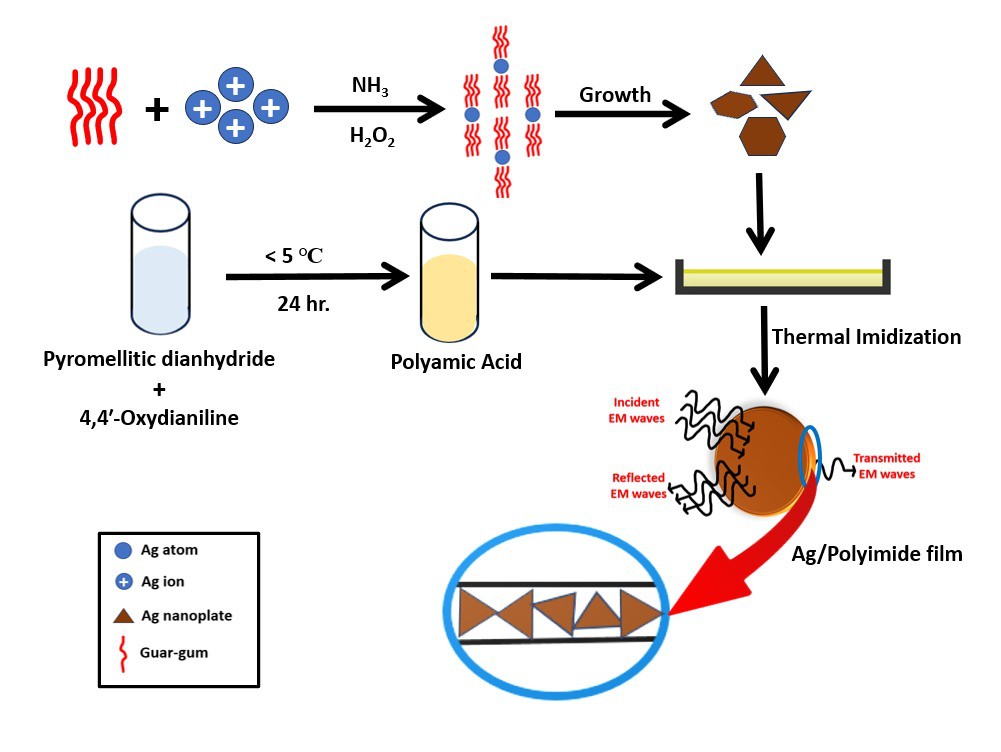
III. Graphene Polyimide Nanocomposite
High-purity reduced graphene oxide (RGO or rGO) with appreciable conductivity is a desired conductive filler for lightweight polymer composites used in coatings, electronics, catalysts, electromagnetic interference (EMI) shielding, and energy storage devices. However, the intrinsic conductivity and the uniform dispersion of RGO in relatively polar matrices are challenging, leading to poor overall conductivity and performance of the composite material. The reported study improved the RGO intrinsic conductivity by increasing its C/O ratio while also simultaneously enhancing its compatibility with the polyimide (PI) matrix through ester linkages for better dispersion. A two-step reduction method drastically increased the number of structural defects and carbon content in the resulting RGO, corresponding to a maximum ID/IG and C/O of 1.54 and ∼87, respectively. Moreover, the 2D nanosheets with limited hydroxyl (–OH) groups effectively interacted with anhydride-terminated polyamic acid (AT-PAA) through chemical linkages to make high-performance RGO/PI nanocomposites. Consequently, the polymer matrix composites possessed the highest direct current conductivity of 15.27 ± 0.61 S cm−1 for 20 wt% of the prepared RGO. Additionally, the composite material was highly stiff (3.945 GPa) yet flexible (easily bent through 180°), lightweight (∼0.34 g cm−3), and capable of forming thin films (162 ± 15 μm). Unlike most polymer matrix composites, it showcased one of its class’s highest thermal stabilities (a weight loss of only 5% at 638 °C). Ultimately, the composite performed as an effective electromagnetic interference (EMI) shielding material in the X-Band (8 to 12 GHz), demonstrating outstanding shielding effectiveness (SE), shielding effectiveness per unit thickness (SEt), specific shielding effectiveness (SSE), and absolute shielding effectiveness (SSEt) of 46 dB, 2778 dB cm−2, 138 dB cm3 g−1, and 8358 dB cm2 g−1, respectively. As a consequence of this research, the high-purity RGO and its high-performance PI matrix nanocomposites are anticipated to find practical applications in conductive coatings and flexible substrates demanding high-temperature stability. Link 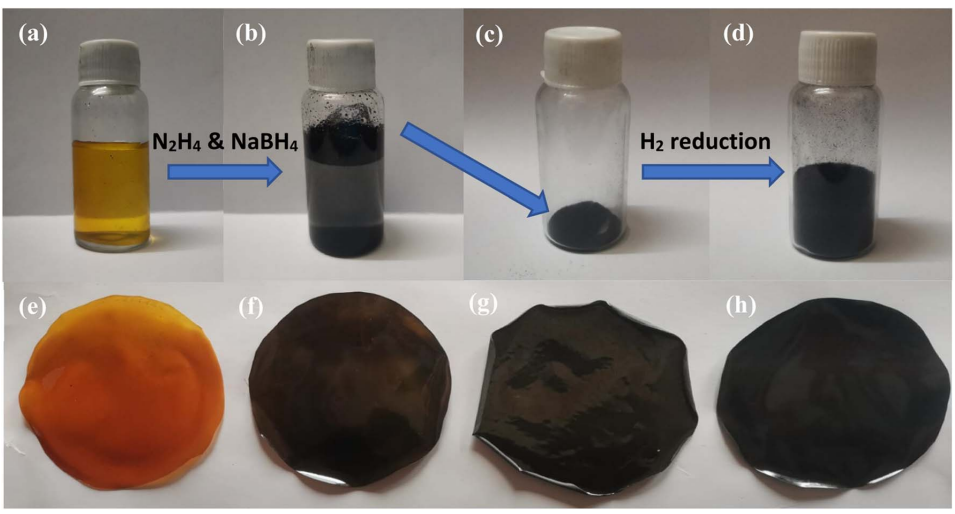
Electroactive Nanomaterials
Tungsten Trioxide Nanoparticles for Electrochemical Applications
Tungsten trioxide (WO3) is a well-known electroactive substance that stores electrochemical energy and changes color reversibly due to redox events triggered by a certain voltage and has a wide range of uses. In this research work, thin films of WO3 were prepared using spin-coating of additive free WO3 sols. The sols were prepared from tungstic acid precursor, purified through ion-exchange method, under hydrothermal conditions. Particle size of the suspensions and phase of the thin films prepared from suspensions, were evaluated using laser particle analyzer and XRD, respectively. Cyclic voltammetry was used to conduct electrochemical behavior of the synthesized material. Thin films obtained under hydrothermal temperature of 120 ℃ possessed the optimum particle size distribution centered around 80 nm, optimum crystallite size and superior electrochemical performance. Link 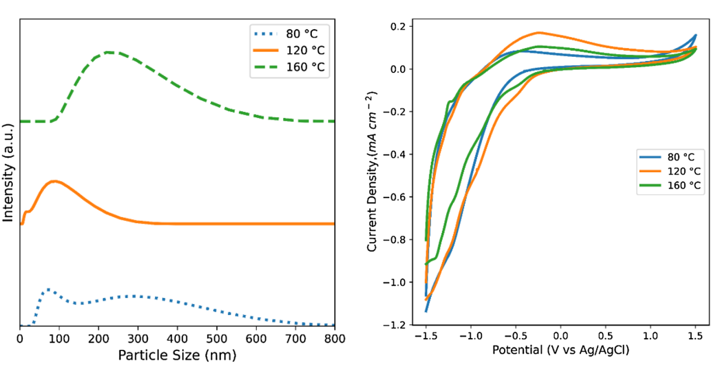
Biomaterials
Ce-doped hydroxyapatite–sodium alginate biocomposite for bone and dental implants
Biomaterials must be biocompatible and provide excellent mechanical strength when used as bone and dental implants. To enhance the physical, mechanical and biological properties, a unique cerium-doped hydroxyapatite–sodium alginate (Ce–HAp–SA) biocomposite was synthesized using the wet precipitation method. The XRD patterns of the pristine and doped samples matched well with hydroxyapatite (HAp) and the appearance of characteristic peaks of HAp in the FTIR spectra confirmed the successful synthesis of HAp and Ce–HA–SA. The SEM micrographs clearly showed the presence of pores in the doped samples, while a density of 3.0 g cm−3 was obtained. The maximum microhardness of 27.5 GPa was achieved in the 2 wt% Ce-doped sample. The anti-bacterial activity of the HAp–SA composite increases as the Ce concentration increases. A 37 day ion release test in simulated body fluid (SBF) verified that no Ce ions leached under physiological conditions. The results showed that the Ce–HAp–SA composite could be a promising material for bone and teeth implants, because of its excellent physical, mechanical and biological properties. Link
Research Project Supervised
In addition to above mentioned research articles, I have also co-supervised 8 MS theses:
- Computational Study of Hexagonal Tungsten Oxide (h-WO3) for Li-Ion Batteries
- Catalytic Effects of Metal-Doped Carbon Materials on the Kinetics of V(IV)/V(V) Vanadium Redox Couple
- Development of Ce-doped hydroxyapatite-sodium alginate biocomposite for bone and dental implants
- Development of PVDF-Clay nanocomposites as high voltage insulation
- Exploring the photocatalytic activity of graphitic carbon nitride and tin sulphide based heterostructure photocatalysts for environmental remediations
- Synthesis and characterization of metal/metal oxide decorated rGO-based additives for enhancing the EMI shielding capabilities of room temperature vulcanizing sealants
- Development of low-cost bio-adsorbent for removal of toxic heavy metals (Pb and Cd) from contaminated water
- Synthesis of vinyl benzyl chloride and divinyl benzene-based resin for iodine removaL
Teaching
I have developed and taught following courses to undergraduate and masters students:
- Physical Chemistry + Lab (CY-491)
- Inorganic Chemistry + Lab (CY-492)
- Analytical Chemistry + Lab (CY-494)
- Chemistry of Synthetic Polymers (CY-502)
- Surface Chemistry and Catalysis (CY-606)
- Electrochemistry (CY-506)
Talks
TEDx PIEAS: Role of Women in STEM Fields
At TEDx PIEAS, I delivered a talk on the critical role of women in STEM fields, with a particular focus on chemistry. Highlighting both historical and contemporary contributions, I demonstrated how women have been pivotal in advancing chemical research and innovation. By addressing the persistent gender disparities and emphasizing the unique perspectives women bring to scientific problem-solving, my talk underscored the need for greater inclusion and support. Empowering women in chemistry not only fosters diversity but also drives progress in the field, making it essential to continue advocating for equitable opportunities and representation. 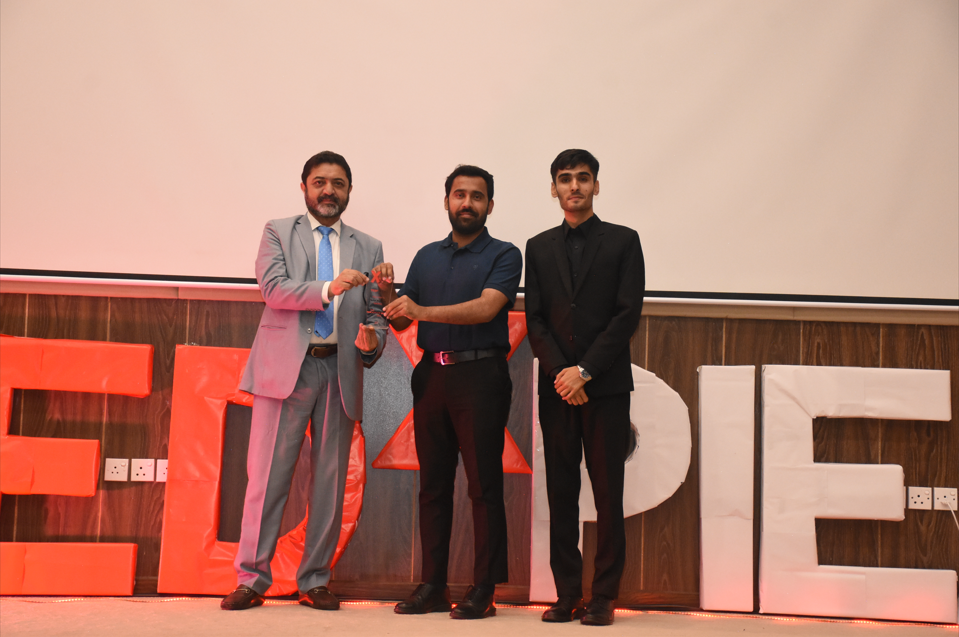
Prime Minister’s Youth Programme - Green Youth Movement (GYM) Club, PIEAS Chapter
The Green Youth Movement (GYM) is an initiative of the Prime Minister’s Youth Program. The program aims to enable youth in the country to spearhead sustainable development and green growth in the country Link. I organized and delivered a talk aimed at raising awareness and promoting the Sustainable Development Goals (SDGs) among students, with a particular focus on clean energy, water, and health. The presentation emphasized the importance of these goals in addressing global challenges and highlighted actionable steps students can take to contribute. By connecting theoretical knowledge with practical applications, I aimed to inspire and engage students in sustainability efforts, demonstrating how their involvement can drive meaningful progress in achieving these critical objectives. 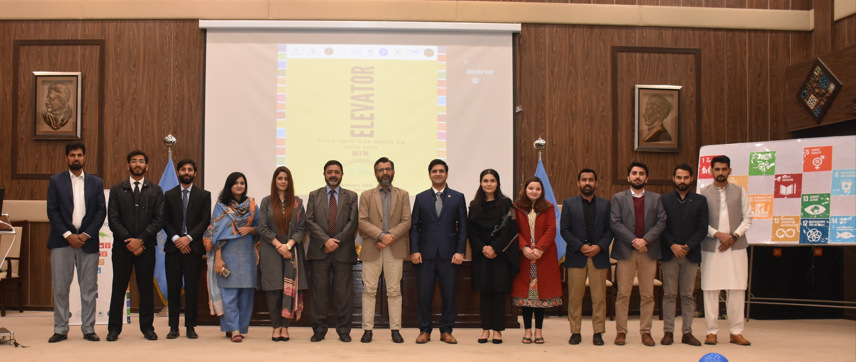
National Faculty Development Programme (NFDP) - Higher Education Commission (HEC), Pakistan
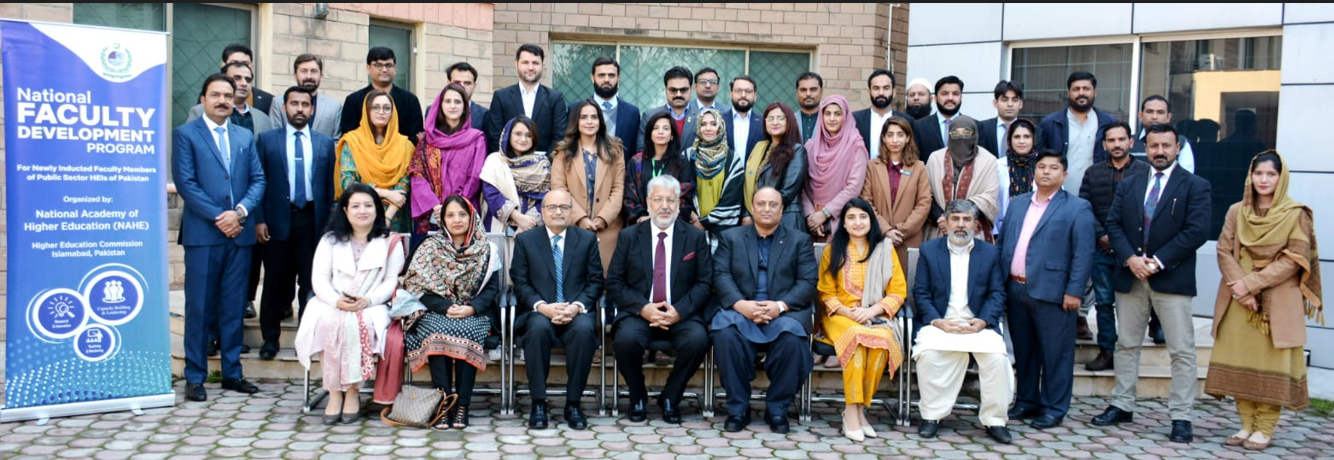
I had the privilege of participating in the National Faculty Development Program (NFDP) organized by the National Academy of Higher Education (NAHE) under the Higher Education Commission (HEC), Islamabad. This intensive three-week program was meticulously designed for early career and newly inducted lecturers and assistant professors from public sector higher education institutions across Pakistan. The NFDP provided a comprehensive learning experience aimed at accelerating the transfer of essential knowledge, skills, and attitudes critical for a successful academic career. The program encompassed three key dimensions: effective teaching and learning, applied research, and professional practice, equipping participants with the tools necessary to excel in their roles as educators and researchers Link